
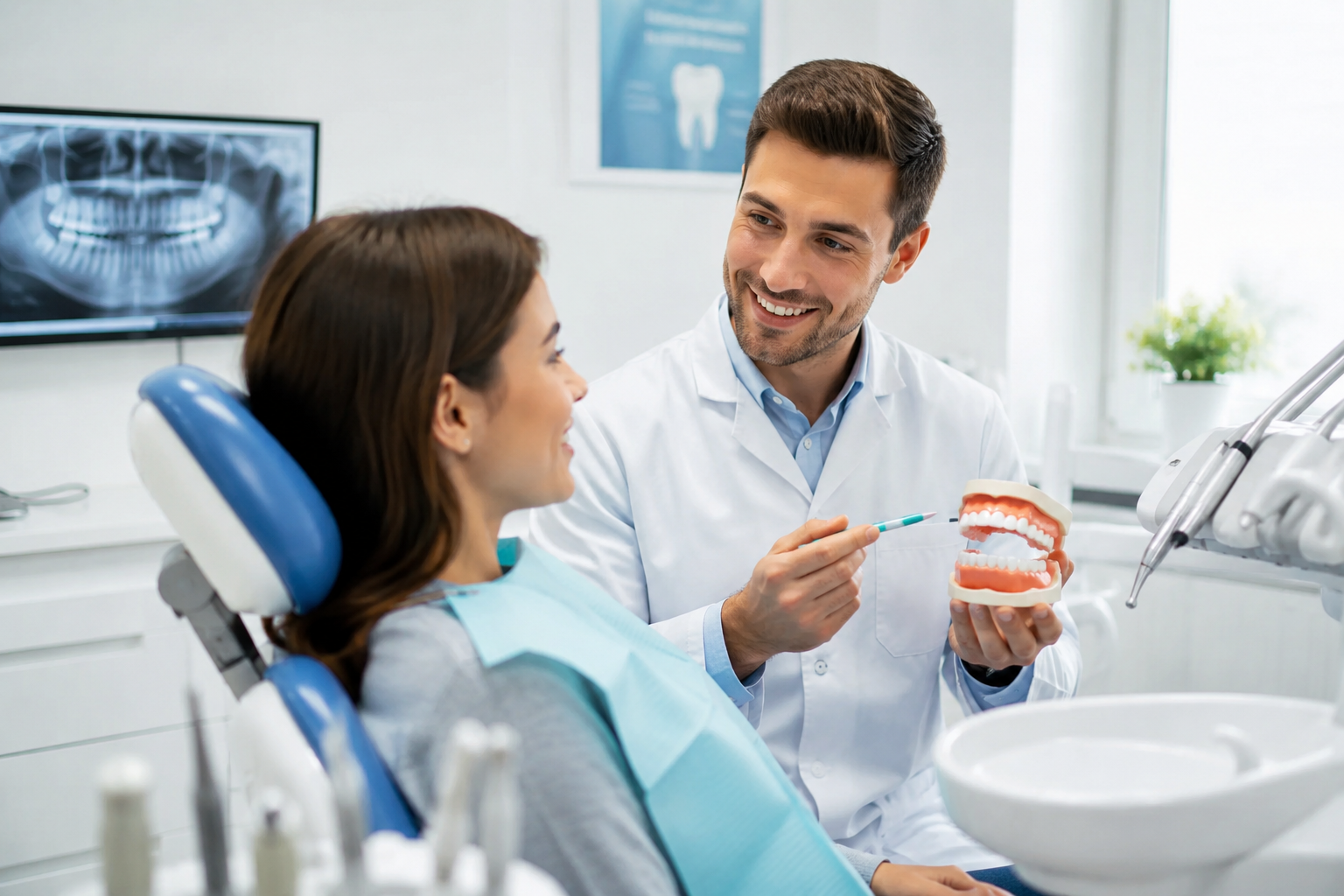
Mouth Restoration Options Vestal NY: Gentle, Modern Solutions to Restore Your Smile and Confidence
You are likely exploring mouth restoration options in Vestal, NY because you want lasting comfort, better function, and a confident smile. A full-mouth restoration in Vestal can combine implants, crowns, bridges, and modern gum care to rebuild teeth and bite for long-term health and comfort.
They will explain the common treatment choices, how modern technology speeds diagnosis and improves outcomes, and how a tailored plan fits lifestyle and budget. Expect clear steps for care during and after treatment, realistic timelines, and guidance on selecting a dental team that prioritizes comfort and predictable results.
Understanding Full-Mouth Restoration
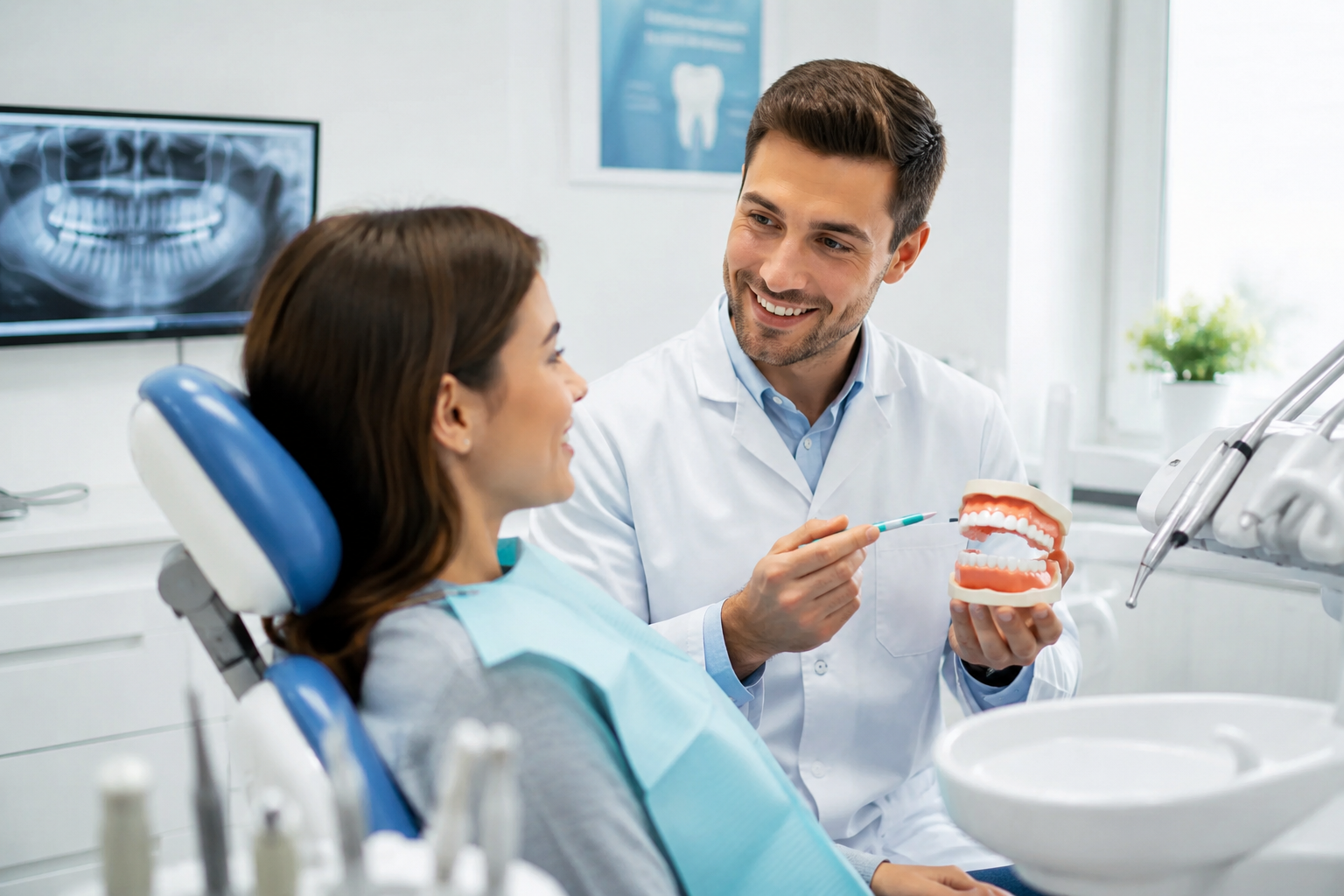
Full-mouth restoration combines multiple dental specialties to rebuild function, health, and appearance after extensive tooth loss, decay, or wear. Patients often gain improved chewing, clearer speech, and a more natural smile through coordinated care.
What Full-Mouth Restoration Involves
Full-mouth restoration typically starts with a comprehensive exam: digital X-rays, intraoral photos, and bite analysis to map damage and jaw relationships. The team creates a phased plan that may include extractions, periodontal therapy, root canals, crowns, bridges, dental implants, and removable prostheses.
Treatment often proceeds in logical steps. First, infection and gum disease get controlled. Next, teeth are stabilized or replaced, and bite alignment is corrected with occlusal adjustments or orthodontics when needed. Final steps include esthetic restorations like porcelain crowns or implant-supported prostheses to restore appearance and function.
Clinicians coordinate with specialists—periodontists, endodontists, oral surgeons, and lab technicians—to match materials and techniques to the patient’s goals. The plan factors in medical history, bone volume for implants, and budget, offering staged options and temporary restorations during healing.
Who Can Benefit
Patients with multiple failing teeth, advanced periodontal disease, severe wear from bruxism, or multiple missing teeth are common candidates. Those with bite collapse causing jaw pain or difficulty chewing also benefit from a full-mouth approach.
Older adults with long-term dental neglect and younger patients with trauma-related damage both find solutions. Patients seeking to replace denture instability may opt for implant-supported bridges or overdentures for greater comfort and function.
Candidates should be medically stable and willing to follow a treatment timeline that can span weeks to months. Smoking cessation and controlled chronic conditions—like diabetes—improve outcomes, and clinicians discuss realistic expectations, maintenance routines, and financial planning during consultation.
Common Dental Issues Addressed
Full-mouth restoration targets several interrelated problems: widespread decay, severe gum disease, fractured teeth, tooth loss, and collapsed bite from worn dentition. Addressing these together prevents recurring failures that single-tooth fixes might not solve.
Treatment corrects bite-related issues that cause TMJ pain, headaches, and uneven wear. It also replaces missing teeth to restore chewing efficiency and speech. Periodontal therapy and bone grafting rebuild supporting tissues when necessary to support implants or fixed prostheses.
Cosmetic concerns—such as uneven tooth length, gaps, and discoloration—receive attention alongside function. The final restorations use durable materials (zirconia, porcelain-fused-to-metal) chosen for strength and appearance, with maintenance plans to preserve results and oral health.
Treatment Choices for Restoring Your Smile
Restoration options vary by how many teeth are missing, bone health, budget, and lifestyle. Each choice balances function, appearance, longevity, and the level of dental work required.
Dental Implants
Dental implants replace a tooth root with a titanium post anchored into the jawbone and a crown attached on top. They preserve bone by transmitting chewing forces to the jaw and avoid altering adjacent teeth.
Implant candidates need adequate bone and good oral health; bone grafting can rebuild deficient sites. The process typically takes several months: implant placement, healing (osseointegration), then abutment and crown placement.
Implants last many years with proper care, and they feel and function like natural teeth. They cost more upfront than other options but reduce long-term maintenance and prevent the bone loss associated with removable restorations.
Crowns and Bridges
A crown restores a damaged tooth by covering it completely with a custom porcelain, ceramic, or metal-fused-to-porcelain cap. Crowns protect weak teeth, restore shape, and improve appearance.
A bridge replaces one or more missing teeth by anchoring artificial teeth to crowns on adjacent teeth. Traditional bridges require reducing the neighboring teeth to support the restoration.
Bridges are faster and usually less expensive than implants but don’t prevent jawbone resorption at the missing-tooth site. Lifespan varies (often 5–15 years); good hygiene and regular dental visits extend durability.
Dentures
Dentures replace multiple or all teeth with removable prostheses that can be full (complete) or partial. Modern dentures can be made from acrylic or acrylic with a metal framework for better fit and strength.
Dentures restore chewing and appearance quickly and are typically the most affordable option for extensive tooth loss. They require adjustments for fit and can affect speech and chewing during the adaptation period.
Implant-supported dentures combine implants with a removable or fixed prosthesis to improve stability and reduce bone loss. Regular cleaning and periodic relining or replacement keep dentures comfortable and functional.
Veneers
Veneers are thin porcelain or composite shells bonded to the front of teeth to correct chips, gaps, discoloration, and minor misalignment. They prioritize aesthetics and preserve more natural tooth structure than full crowns.
Preparation often requires minimal enamel removal; porcelain veneers are more stain-resistant and longer-lasting than composite alternatives. A standard veneer process involves consultation, tooth preparation, impression, and final bonding over two or three visits.
Veneers suit front teeth concerns but don’t replace missing teeth or restore chewing surfaces. Candidates need healthy gums and adequate enamel; bruxism may require a nightguard to protect the veneers.
Personalizing Your Restoration Plan
A personalized plan balances dental health, appearance, and daily function while fitting the patient’s schedule and budget. It prioritizes comfort, predictable outcomes, and clear steps for recovery.
Initial Consultation Process
The consultation begins with a focused medical and dental history review to identify systemic conditions, medications, and previous dental work that affect healing and implant success. The clinician performs a full oral exam, photographs the mouth, and takes digital X-rays or a CBCT scan when needed to assess bone volume and nerve positions.
The team discusses patient’s goals — chewing comfort, speech, or aesthetics — and reviews lifestyle factors like smoking or bruxism that influence treatment choices. They explain timelines, costs, and financing options, and outline immediate steps such as extractions or periodontal therapy if infection or decay exists.
Patients receive a written treatment summary and next-step checklist, including any preoperative instructions (e.g., antibiotics, stopping certain medications) and scheduling for impressions or surgical visits. The consultation also addresses anesthesia options and pain-management plans to reduce anxiety and improve the experience.
Custom Treatment Design
The dentist creates a treatment plan that matches anatomy, function, and cosmetic goals. For missing teeth, options range from single crowns on implants to implant-retained bridges or full-arch prostheses; each design includes materials, expected lifespan, and maintenance needs.
Digital workflows often guide design: intraoral scans create precise models, and 3D planning ensures implants avoid nerves and achieve optimal angulation. For esthetic zones, the team uses shade-matching, provisional restorations, and mock-ups so patients preview results before final work.
The plan lists step-by-step appointments, estimated healing times, and follow-up visits for adjustments. It specifies who will perform each phase — general dentist, oral surgeon, or lab technician — and provides contact points for questions during treatment.
Factors That Influence Recommendations
Bone quality and quantity determine whether implants need grafting, sinus lifts, or narrower implant designs to secure long-term stability. Periodontal health influences timing: active gum disease must be controlled before placing fixed restorations.
Medical conditions such as diabetes, osteoporosis, or medications like bisphosphonates change risk profiles and may require medical clearance or altered protocols. Lifestyle issues — tobacco use, alcohol, and night grinding — affect material choices and may prompt protective measures like occlusal guards.
Patient values and constraints steer choices: some prioritize a fixed solution despite higher cost, while others prefer removable prosthetics for lower upfront expense. Insurance coverage and available financing also shape the practical recommendation, so the team presents equivalent alternatives with clear pros and cons.
Modern Dental Technology in Vestal NY
Vestal dental offices use precise tools to plan treatment, reduce discomfort, and shorten appointments. Patients can expect digital scans, guided implant placement, and conservative procedures that protect healthy tissue.
Digital Imaging and Planning
Clinics in Vestal commonly use cone beam computed tomography (CBCT) and intraoral scanners for accurate 3D views of the jaw, teeth, and nerve locations. CBCT helps the dentist evaluate bone volume and anatomy before implant placement, reducing surprises during surgery. Intraoral scanners replace putty impressions with quick digital captures that patients find more comfortable.
Treatment planning software combines CBCT and scan data to design restorations and surgical guides. This lets the team simulate implant positions, confirm prosthetic fit, and show patients visual treatment previews. Dentists can export files for lab fabrication or guide production, improving prosthetic accuracy and reducing adjustment visits.
Advantages for patients include shorter chair time, fewer corrective visits, and clearer communication about expected outcomes. Vestal dentists use these tools to minimize risk and make complex cases more predictable.
Minimally Invasive Techniques
Vestal providers prioritize tissue-preserving methods such as flapless implant placement, piezoelectric bone surgery, and laser-assisted soft-tissue procedures. Flapless implant techniques insert implants through a small mucosal punch guided by a surgical guide, which lowers postoperative swelling and speeds healing. Piezoelectric devices cut bone with micrometric control, reducing trauma to surrounding soft tissue and nerves.
Lasers manage gum contours, treat periodontal pockets, and accelerate healing with less bleeding than scalpel methods. When extracting teeth, clinicians use sectioning and periotomes to preserve alveolar bone for future implants or grafts.
These minimally invasive options aim to improve comfort, shorten recovery, and preserve bone and gum architecture. Patients concerned about pain, swelling, or long recoveries should ask about these techniques during consultation.
Caring for Your Restored Smile
Maintaining a restored smile requires consistent home care and regular professional checks. Small daily actions and a clear maintenance schedule keep restorations functional and looking natural for years.
Oral Hygiene After Restoration
Patients should brush twice daily with a soft-bristled brush and non-abrasive fluoride toothpaste to protect crowns, bridges, implants, and veneers. Angle the brush at 45 degrees along the gumline to remove plaque without damaging margins; spend at least two minutes each session.
Daily flossing matters more after restoration. For bridges, use a floss threader or superfloss to clean under the pontic. Around implants, use implant-specific floss or a water flosser to avoid trauma to the peri-implant tissue.
Rinsing with a fluoride mouthwash once daily helps strengthen enamel on adjacent natural teeth. Avoid abrasive whitening pastes and excessive alcohol rinses that can erode cement or weaken bonding. If sensitivity occurs, switch to desensitizing toothpaste and report persistent pain to the dental office.
Long-Term Maintenance Tips
Schedule professional cleanings and exams every 3–6 months, based on the dentist’s recommendation. Hygienists remove calculus that home care can’t reach and assess restoration integrity, fit, and surrounding gum health.
Monitor for signs of trouble: looseness, chips, persistent sensitivity, abnormal taste, or inflamed gums. Early reporting allows repair or adjustment before more invasive treatment is needed. Keep any warranty or maintenance records provided by the dental practice for restorations like implants or implant-supported prosthetics.
Protect restorations by wearing a custom nightguard if grinding occurs and a sport mouthguard for contact activities. Avoid biting hard objects—ice, pen caps, bottle caps—and use opposing teeth to break things rather than restored teeth. If replacement parts or adjustments become necessary, prompt scheduling minimizes complications and preserves oral health.
What to Expect During and After Treatment
Patients can expect a clear sequence of visits, predictable milestones, and practical steps to manage comfort and healing. Appointments often include evaluation, surgical or restorative procedures, and follow-up checks designed to monitor progress and adjust the plan.
Timeline and Appointments
Initial consultation typically includes a full-mouth exam, digital X-rays, and a treatment plan review. This visit lasts about 45–60 minutes and establishes whether extractions, bone grafting, or immediate restorations are needed.
If implants are planned, surgery often occurs one to two weeks after any extractions; single-tooth implant placement takes about 60–90 minutes per implant under local anesthesia. Patients scheduled for full-arch restorations may have longer surgical sessions or staged appointments over several days.
Osseointegration—the bone integrating with the implant—usually requires 3–6 months. During that period, patients return for periodic checks every 4–8 weeks. Final prosthetic steps (abutment placement and crown or denture fitting) add one or two shorter visits, each 30–60 minutes, to confirm fit, bite, and esthetics.
Managing Comfort and Recovery
Right after surgery, expect controlled swelling and mild to moderate soreness for 48–72 hours. Prescribed pain medication, over-the-counter ibuprofen, cold compresses, and soft foods reduce discomfort.
Bleeding should decrease within 24 hours; if heavy bleeding persists, contact the office immediately. Patients must avoid smoking, spitting, or using straws for at least one week to protect clot formation and grafts.
Oral hygiene resumes gently within 24 hours using a soft toothbrush and an antimicrobial rinse as directed. If bone grafts or sinus lifts were performed, the clinician may recommend a longer soft-diet period and additional antibiotic coverage. Follow-up visits verify healing, adjust temporary prostheses, and set the schedule for final restorations, ensuring comfort and function before treatment completion.
Choosing the Right Dental Team
Selecting a dental team affects treatment quality, comfort, and long-term success. Prioritize clear communication, documented outcomes, modern technology, and a staff that understands patient anxiety and schedules care around daily life.
What to Look for in a Provider
Look for a dentist with formal training in restorative and implant dentistry, such as a DMD/DDS plus continuing education in implantology, prosthodontics, or oral surgery. Verify certification, membership in professional groups (like the American Academy of Implant Dentistry), and a history of treating cases similar to the patient’s—full-mouth reconstructions, single implants, or implant-supported dentures.
Ask to see before-and-after photos and patient testimonials that reflect comparable needs. Confirm use of digital diagnostics (CBCT scans, intraoral scanners) and in-office sedation options if anxiety or complex surgery is expected. Review payment options and written treatment plans that list procedures, timelines, and estimated costs to avoid surprises.
The Value of Local Experience
A team familiar with Vestal NY provides practical advantages: knowledge of local dental labs, referral networks, and insurance patterns. Local experience helps coordinate care with nearby specialists—periodontists, oral surgeons, and prosthodontists—reducing travel and scheduling delays.
Local practices also understand community needs, such as common dietary habits or regional access issues that affect post-op recovery. Patients benefit from continuity of care—same clinicians for follow-ups, easier emergency contact, and staff who can arrange appointments around work or school schedules. Consider clinics with established local reviews and measurable outcomes specific to the Vestal area.
Life-Changing Benefits of Restoration Options
Restorative treatments in Vestal, NY, restore more than teeth; they rebuild confidence. Patients often report smiling more and feeling comfortable in social and professional settings.
Dental implants and bridges provide durable chewing function. That improves nutrition and reduces jaw pain from uneven bite forces.
Crowns and onlays preserve natural tooth structure while preventing further decay. They offer a conservative solution that can extend the life of a tooth for many years.
Removable dentures now fit better and look more natural than in the past. Modern materials and digital fitting reduce sore spots and make speaking and eating easier.
Restoration can improve oral health beyond single teeth. Replacing missing teeth lowers the risk of shifting, bone loss, and gum disease, which supports long-term dental stability.
Many options also improve daily comfort and convenience. With the right choice, patients experience less sensitivity, easier cleaning, and fewer emergency visits.
Financial and emotional relief often follows successful treatment. Flexible payment plans and staged approaches let patients tackle problems without overwhelming cost or stress.
Patients benefit most when a dentist explains choices clearly and tailors treatment to lifestyle and health needs. They should ask about pain control, recovery, and maintenance to make confident decisions.
If questions remain or a personalized plan is needed, a consultation with a local restorative dentist can clarify next steps and set realistic expectations.
Taking the Next Step Toward a Healthier Smile
They should start by scheduling a consultation with a trusted Vestal, NY dentist who offers restorative care. During that visit, the dentist reviews medical history, conducts an exam, and discusses goals and budget in plain language.
A treatment plan often combines options like crowns, implants, bridges, or removable dentures tailored to function and comfort. The team explains timelines, expected outcomes, and pain-management strategies so patients know what to expect.
Patients benefit from seeing before-and-after photos and hearing about similar cases. Visual examples and clear cost estimates make decisions easier and reduce anxiety.
Insurance, financing, and phased treatment plans can improve affordability. The practice staff helps verify coverage and outlines payment options, including in-house plans or third-party financing.
A short checklist helps prepare for the first appointment:
- Bring medical and dental history.
- List current medications and any concerns.
- Note preferred times and budget limits.
They emphasize preventive follow-up care and routine cleanings to protect restorations long-term. Gentle aftercare instructions and easy-to-follow hygiene tips support comfort and lasting results.
If questions remain, the office welcomes calls or online messages to clarify options and book a consultation.
Frequently Asked Questions
These answers cover common restorations offered in Vestal, NY, typical timelines, cost factors, insurance considerations, and the tooth-replacement options most dentists recommend for people with multiple damaged or missing teeth.
What treatments are typically included in a full-mouth restoration plan?
A full-mouth restoration often combines crowns, bridges, dental implants, removable dentures, root canal therapy, and periodontal (gum) treatment.
Bone grafting and sinus lifts may be included when the jaw needs rebuilding for implant support.
How do I know if I need a full-mouth restoration or just a few key repairs?
A dentist evaluates overall bite function, extensive decay, widespread gum disease, broken or missing teeth, and chronic pain before recommending full-mouth work.
If problems are localized to a few teeth with healthy surrounding structures, targeted repairs like crowns or bridges may suffice.
How much does a full-mouth restoration usually cost, and what affects the price?
Full-mouth restoration in Vestal commonly ranges from $20,000 to $60,000 or more, depending on choices and complexity.
Key cost drivers include the number of implants, need for bone grafts or extractions, type of restorations (porcelain vs. metal), and use of sedation or advanced imaging.
What are the most common options for replacing multiple missing or damaged teeth?
Clinicians often recommend implant-supported bridges or full-arch implant prostheses (All-on-4/All-on-6) for fixed, long-term solutions.
Removable partial or full dentures and traditional bridges remain options when implants are unsuitable or when cost is a limiting factor.
Will Medicaid or dental insurance help cover implants, dentures, crowns, or bridges in New York?
New York Medicaid generally covers basic extractions and some denture services for eligible adults but rarely covers dental implants.
Private dental insurance may cover portions of crowns, bridges, and dentures after deductibles and annual maximums, but coverage for implants is often limited or excluded.
How long does a full-mouth restoration take, and what can I expect for comfort and recovery?
Treatment timelines vary from a few months (for removable prostheses and crowns) to 6–12 months or longer when implants and bone grafting are required.
Patients can expect local anesthesia for most procedures, prescription pain control for a few days after surgery, and progressive improvement in comfort over weeks to months; follow-up visits monitor healing and adjust prosthetics.
If questions remain or someone wants a personalized plan, they should contact a local Vestal dental specialist for an evaluation and treatment estimate.