
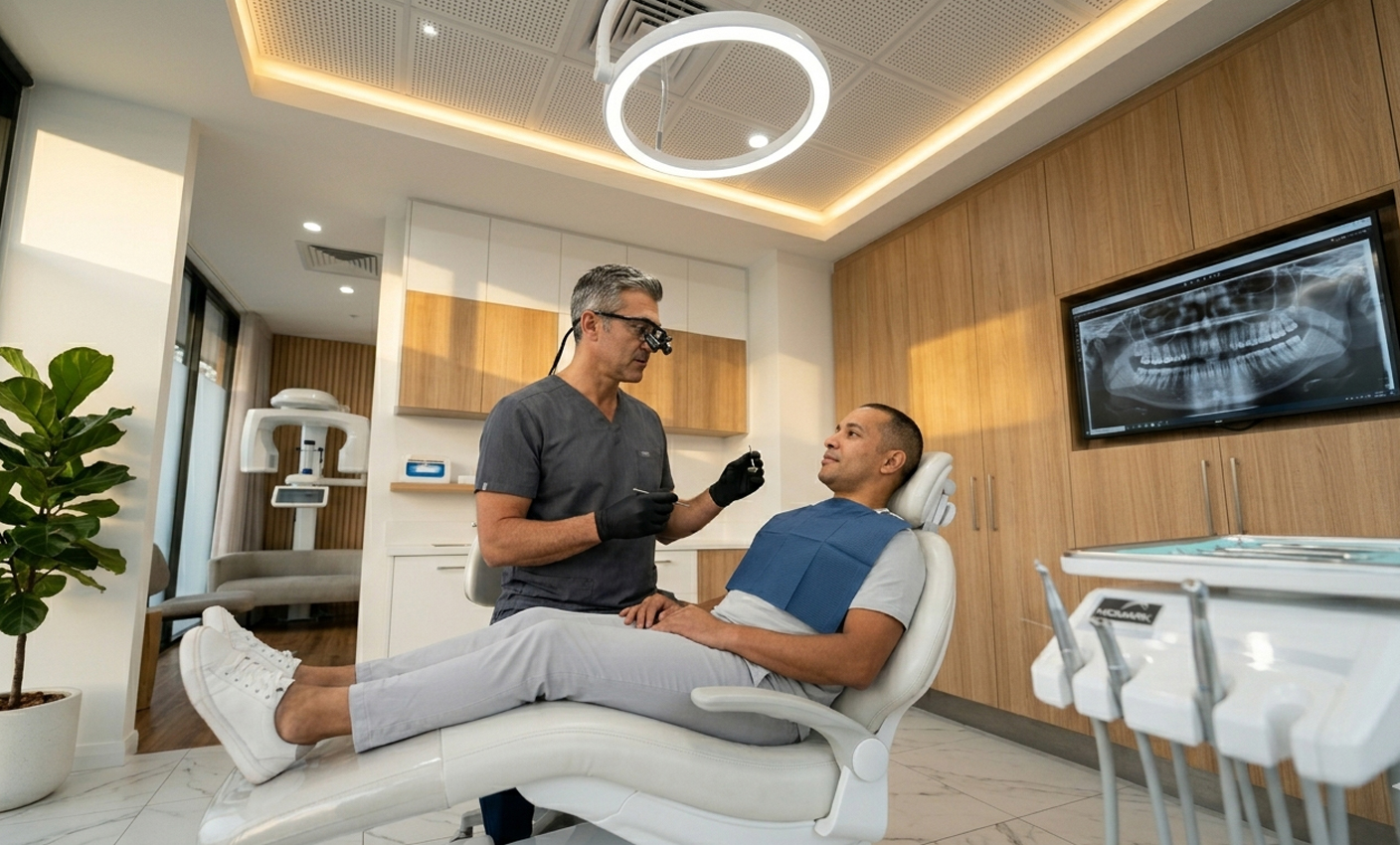
Same-Day Dental Implants Vestal NY: Quick, Comfortable Tooth Replacement with Expert Care
You and your smile can get a full, stable tooth replacement in a single visit without waiting months for healing. Same-day dental implants in Vestal, NY, let patients leave the office with functional teeth and a clear plan for long-term care.
A local dental team explains how same-day implants work, who qualifies, and what to expect during consultation, surgery, and recovery. You’ll learn about comfort measures, safety standards, cost factors, and tips for choosing a trusted Vestal provider so you can decide with confidence.
Clear explanations and real-world examples make the process easy to understand, and practical advice on maintenance and risks helps set realistic expectations. If you’re considering immediate implants, the article guides you toward the next step: scheduling a consultation to see if same-day treatment fits your needs.
Discovering the Benefits of Same-Day Dental Implants
Same-day dental implants combine prosthetic tooth placement with immediate function, reduced appointments, and targeted bone preservation. Patients typically leave the clinic with a stable, natural-looking tooth the same day, while the implant still integrates with jawbone over months.
Restoring Your Smile in a Single Visit
Same-day implants allow a patient to receive an implant and a temporary crown during one appointment. This contrasts with the traditional approach that spaces surgery and crown placement over several months. The temporary crown is designed to match tooth shape and color, restoring appearance and basic chewing ability immediately.
Immediate placement reduces time without a tooth, which helps patients avoid speech changes and social discomfort. Clinicians use CBCT scans and digital planning to place implants precisely, then attach a prosthesis that distributes bite forces safely while osseointegration occurs. Follow-up visits monitor healing and replace the temporary with a final crown when integration completes.
Long-Term Health and Confidence
Same-day implants support long-term oral health by restoring normal chewing function quickly. Proper chewing reduces uneven wear on other teeth and helps maintain nutritional choices that might suffer with missing teeth. Patients often report improved confidence and willingness to smile in social and professional settings soon after treatment.
Dentists evaluate bone quality, gum health, and overall medical conditions before recommending same-day treatment. When candidates are selected properly, survival rates for immediate restorations are comparable to staged implants. Regular hygiene visits and night guards for bruxism protect the restoration and extend its longevity.
Preserving Jawbone and Facial Structure
Placing an implant at the time of extraction helps preserve the socket and stimulates the underlying jawbone. That stimulation slows the bone loss that normally follows tooth loss, which can otherwise lead to facial collapse and changes in jawline over years. Early placement often reduces the need for extensive grafting later.
Clinicians may combine socket preservation grafts with the implant when bone volume is marginal. Digital planning lets the team choose implant size and angulation that optimize bone contact and soft-tissue outcomes. Preserving bone keeps neighboring teeth stable and supports a natural gum contour for a lifelike final restoration.
Understanding the Same-Day Dental Implant Process
Same-day dental implants compress evaluation, surgery, and temporary restoration into a single visit for eligible patients. The process prioritizes careful planning, precise surgical technique, and immediate provisional crowns to restore function and appearance quickly.
Comprehensive Evaluation and Planning
The dentist reviews medical history, current medications, and any chronic conditions such as diabetes or osteoporosis that affect healing. A clinical exam checks gum health, bite alignment, and adjacent teeth stability.
Cone beam CT (CBCT) imaging maps jawbone volume, nerve location, and sinus position with millimeter accuracy. This imaging guides implant size, angulation, and whether bone grafting or sinus lift is necessary.
Digital impressions or intraoral scans create a 3D model used to design the surgical guide and provisional crown. Treatment planning also includes coordinating anesthesia (local, sedation, or general) and discussing post-op pain control, diet restrictions, and follow-up visits.
What to Expect During the Procedure
The patient receives local anesthesia and, if chosen, oral or IV sedation for comfort. The surgeon uses a guided template to place the implant precisely into the planned position, minimizing surgical time and tissue trauma.
If bone quality and primary stability meet criteria, a provisional crown attaches to the implant that same day. The provisional is adjusted to avoid heavy biting forces; it restores aesthetics and basic function while protecting the healing implant.
Procedure time typically ranges from 1 to 3 hours for a single implant, depending on extractions or grafting. The team provides written aftercare instructions, prescriptions for antibiotics or pain meds if needed, and schedules the short-term and long-term follow-ups.
Immediate Placement Versus Traditional Implants
Immediate placement combines extraction and implant insertion in one appointment, reducing total treatment time and preserving soft-tissue contours. It suits patients with good bone volume and no active infection at the extraction site.
Traditional implant protocols wait 3–6 months after extraction to allow bone healing before placing the implant. This approach can benefit cases with infection, insufficient bone, or when staged grafting is required.
Immediate provisional crowns are temporary and may require final crowns after 3–6 months once osseointegration completes. The dentist assesses stability, bone integration, and bite before delivering the final restoration to ensure long-term success.
Who’s an Ideal Candidate for Immediate Implants?
Immediate implants work best for patients with good oral health, adequate jawbone, and realistic expectations about recovery and follow-up care. Candidates should value fewer surgeries and faster restoration but must accept careful screening and possible additional procedures.
Evaluating Oral Health and Bone Density
The dentist inspects gum health and X-rays or CBCT scans measure bone volume and quality at the implant site. Sufficient bone height and width are essential to stabilize a same-day implant; if bone is thin, grafting or a delayed approach may be recommended.
Active gum disease (periodontitis) needs treatment before implants. The clinician checks for infection, pocket depths, and bleeding on probing; uncontrolled disease increases failure risk. Good daily hygiene and regular cleanings improve outcomes.
The team also evaluates adjacent teeth, bite forces, and whether immediate provisional crowns will be loaded. High bite forces or inadequate support may require temporary adjustments to protect the implant during healing.
Age and Lifestyle Considerations
Chronological age alone rarely disqualifies someone; implant success depends more on biological maturity and health. Younger patients should have finished jaw growth, while older adults should have stable systemic health and realistic healing expectations.
Tobacco use, heavy alcohol consumption, and recreational drugs reduce healing capacity and raise implant failure risk. Patients who quit smoking before and after surgery have markedly better results and lower complication rates.
Work and travel demands influence scheduling and aftercare. Same-day implants suit people who need rapid restoration but who can attend follow-up visits and follow strict post-op instructions, including soft diet and limited strenuous activity for the first weeks.
Managing Pre-Existing Conditions
Common systemic conditions—well-controlled diabetes, hypertension, and certain autoimmune disorders—do not automatically prevent same-day implants. The clinician reviews recent lab values, medications, and specialist clearance when needed to reduce surgical risk.
Medications like bisphosphonates, anticoagulants, and immunosuppressants require careful planning. Sometimes medication adjustments, medical consultations, or alternative protocols are necessary to minimize complications.
Previous radiation to the jaw, severe osteoporosis, or untreated malignancy often contraindicate immediate loading. In those cases, staged implant placement or alternative restorations provide safer, predictable results.
If a patient meets oral and medical criteria, shows commitment to hygiene, and understands the staged nature of long-term restoration, they often make good candidates for same-day implants in Vestal, NY. Consider scheduling a consultation to review scans and create a personalized plan.
Comfort and Safety Throughout Your Treatment
Patients can expect precise pain control, tailored sedation, and protocols that speed healing while reducing complications. The team monitors vital signs, uses validated pain scales, and follows evidence-based infection control throughout the procedure.
Modern Pain Management Techniques
Clinicians use a layered approach to pain control that begins before incision and continues through recovery. Local anesthesia with long-acting agents like bupivacaine provides numbness for many hours after implant placement, reducing immediate postoperative pain.
They often combine local blocks with non-opioid medications such as acetaminophen and NSAIDs given before anesthesia wears off. This multimodal plan lowers the need for narcotics and shortens the time patients feel discomfort.
Providers assess pain using clear scales and adjust medications by age, weight, medical history, and current prescriptions. They also give specific, written post-op instructions on timing doses, managing swelling with ice, and when to call the office for uncontrolled pain.
How Sedation Options Can Help
Sedation ranges from mild oral sedatives to IV conscious sedation and general anesthesia for those with severe anxiety or complex cases. Oral sedatives (e.g., low-dose benzodiazepines) calm nerves while keeping patients responsive and breathing independently.
IV sedation allows rapid titration for a deeper, more predictable level of relaxation; monitors track heart rate, oxygen saturation, and blood pressure continuously. General anesthesia is reserved for extensive reconstructions or patients with medical needs; an anesthesiologist or certified provider oversees airway and vital signs.
Clinics screen medical history, current medications, and allergies before choosing sedation. They provide fasting instructions, escort requirements, and post-sedation recovery times so patients arrive prepared and recover safely.
Minimizing Recovery Time
Minimizing downtime starts with atraumatic surgical technique and precise implant placement using guided templates or CBCT imaging. Less tissue disruption means reduced swelling and faster return to normal function.
Post-op care emphasizes simple, actionable steps: bite on gauze for bleeding control, apply ice intermittently for 24–48 hours, sleep with head elevated, and follow a soft-food plan for 3–7 days. Antibiotics and chlorhexidine rinses are used selectively based on infection risk.
Follow-up appointments at 48–72 hours and again at one to two weeks let the team catch issues early and adjust care. Clear timing for when to resume exercise, return to work, and start oral hygiene helps patients plan recovery with confidence.
If they have questions or want to discuss sedation and pain-control options, the practice encourages scheduling a consultation or calling the clinic to review personalized plans.
The Patient Journey: From Consultation to Follow-Up
Patients can expect a clear sequence: tailored planning, specific instructions for the day of implant placement, and concrete steps for recovery and ongoing care. Each stage centers on comfort, predictable timing, and preserving oral health.
Personalized Treatment Planning
The dentist reviews medical history, current medications, and dental X-rays or a CBCT scan to map jawbone anatomy and identify nerves and sinuses. They measure bone density and spacing to choose implant size and decide whether bone grafting or tooth extraction is needed first.
A treatment coordinator outlines costs, insurance estimates, financing options, and the expected timeline from surgery to final crown placement. They also discuss sedation options—local anesthesia, nitrous oxide, oral sedation, or IV sedation—based on patient anxiety and complexity of the case.
The care team takes intraoral scans or impressions to design a temporary crown when same-day loading is possible. Patients receive written instructions and contact numbers for pre-op fasting, medication adjustments (e.g., blood thinners), and arrival time to reduce stress and delays.
Day-of Procedure Guidance
Patients arrive 30–60 minutes before the procedure to complete paperwork and meet the surgical team. The clinic confirms medical history, reviews sedation plans, and takes final images so the surgeon can verify implant position.
Sterile technique and local anesthesia are applied; sedation is monitored by trained staff. The implant is placed using guided stent or freehand technique, then a prefabricated or CAD/CAM temporary crown is attached if primary stability meets safety thresholds.
The team reviews immediate recovery steps: bite precautions, soft diet for 1–2 weeks, and how to manage bleeding and swelling. They provide prescriptions for analgesics and, if indicated, antibiotics. Before leaving, the patient receives a printed care plan and a 24-hour emergency contact.
Post-Procedure Care Instructions
For the first 48–72 hours, patients should rest, avoid strenuous activity, and sleep with head elevated to minimize swelling. Apply cold packs in 15-minute cycles for the first 24 hours, then switch to warm compresses after 48 hours if needed for comfort.
Oral hygiene measures include gentle rinsing with warm saline after 24 hours and avoiding brushing the surgical site for 3–5 days; resume gentle brushing and use an antimicrobial rinse as prescribed. Chew on the opposite side and stick to soft foods—yogurt, mashed potatoes, scrambled eggs—until the dentist clears a return to normal diet.
Follow-up appointments occur at 1 week for soft-tissue check, at 4–6 weeks to verify healing and stability, and at 3–6 months to evaluate osseointegration before final crown placement if applicable. The clinic emphasizes routine dental cleanings every 3–6 months initially and provides maintenance tips to protect the implant and surrounding teeth.
Cost Considerations and Insurance for Same-Day Solutions
Same-day dental implants in Vestal, NY typically cost more than traditional dentures or delayed implants, but they cut down on office visits and shorten treatment time. Patients should compare itemized estimates, know what the fee includes, and check insurance and financing before scheduling.
What Influences the Price?
Several specific factors drive the total fee. Implant brand and material matter: titanium or zirconia implants from premium manufacturers cost more than generic systems. The number of implants and whether the case needs bone grafting, sinus lifts, or extraction at the same appointment add to the bill.
Clinic infrastructure and technology also affect price. Practices that use 3D CBCT scans, guided surgical guides, same-day milling (CAD/CAM), and on-site labs typically charge higher fees because of equipment and staff expertise.
Provider experience changes cost and value. A board-certified implant dentist or oral surgeon may bill more but often delivers shorter treatment time and fewer complications.
Geography and demand impact local pricing. Vestal’s market rates and appointment availability influence out-of-pocket costs for residents compared with larger nearby cities.
Navigating Insurance and Financing Options
Dental insurance often covers parts of the procedure but rarely pays the full cost of same-day implants. Typical coverage may apply to extractions, X-rays, or partial prosthetic components, while the implant fixture and same-day restorative crown are frequently excluded or subject to yearly maximums.
Patients should request an itemized pre-estimate from the office and submit it to their insurer for predetermination. This clarifies which line items are covered and what the patient must pay.
Financing solutions fill gaps. Many Vestal practices offer in-house payment plans, third‑party medical credit (e.g., CareCredit), or low-interest dental loans. Compare interest rates, repayment terms, and any deferred‑interest conditions.
Tax-advantaged options can help. If eligible, patients may use FSA or HSA funds for qualifying expenses; keep receipts and plan documentation. Ask the clinic’s billing coordinator to explain paperwork needed for claims and HSA/FSA reimbursement.
Choosing the Right Dental Implant Provider in Vestal, NY
Finding the right provider affects comfort, treatment speed, and long-term results. Patients should evaluate qualifications, ask targeted questions, and review real patient outcomes before committing.
Qualifications and Credentials Matter
Look for a dentist or oral surgeon with specific implant training and board certifications. Preferred credentials include a DDS or DMD plus advanced implant fellowships, residency in oral surgery or periodontics, and membership in organizations like the American Academy of Implant Dentistry (AAID) or the Academy of Osseointegration.
Verify how many implant cases the clinician places each year and the success rate for same-day implants specifically. Ask whether they use guided surgery, 3D cone-beam CT (CBCT) imaging, and digital planning software; these tools reduce risk and improve predictable placement.
Confirm the clinical team’s training in sedation, emergency protocols, and post-op care. Check that the office maintains sterilization standards, uses FDA-approved implant systems, and has established referral relationships with restorative dentists for coordinated prosthetic work.
Questions to Ask at Your Consultation
Start with clear, specific questions about the procedure timeline and who will perform each step. Ask: “Will the same clinician perform the extraction, implant placement, and restoration?” and “What imaging will you use to plan my case?”
Request a breakdown of costs and financing options, including what the quoted fee covers—implant, abutment, temporary crown, follow-up visits, and any necessary bone grafting. Ask about expected recovery time and pain management plans, and whether same-day loading is appropriate given bone quality and overall health.
Inquire about potential complications and the clinic’s protocol for implant failure or infection. Ask to see before-and-after images of similar cases and request patient references or anonymized outcome statistics for same-day implants in patients with similar dental histories.
Patient Testimonials and Success Stories
Read recent patient reviews on Google, Healthgrades, and the clinic’s website, paying attention to comments about comfort, follow-up care, and how well temporary crowns functioned during healing. Favor testimonials that mention complications and how the office handled them; transparency indicates reliable care.
Ask the office for case studies showing pre-op images, the surgical plan, and post-op results at multiple time points. Look for examples involving similar conditions—immediate placement after extraction, limited bone volume, or multiple adjacent implants—to assess the clinician’s experience with comparable challenges.
Consider contacting former patients if the practice offers references. Short phone conversations can reveal real details about pain control, appointment coordination with restorative dentists, and whether the final prosthesis met functional and aesthetic expectations.
Living with Your New Implants: Care and Maintenance
Patients receive clear guidance on daily cleaning, eating safely, and scheduling follow-ups to protect implant health and comfort. Simple routines and timely visits prevent complications and help implants last for decades.
Daily Hygiene Tips
Brush twice daily with a soft-bristled toothbrush and a low-abrasive fluoride toothpaste. Use gentle, circular motions around the implant crown and gum line to remove plaque without irritating healing tissue.
Floss once daily using implant-specific floss, a floss threader, or interdental brushes sized to the gap. Slide straight up and down along the implant surface rather than snapping or sawing to avoid damaging the soft tissues.
Rinse after meals with an alcohol-free antiseptic mouthwash or warm saline if recommended by the dentist. Avoid abrasive whitening pastes and aggressive scraping; regular professional cleanings handle stubborn deposits that home care cannot.
Report persistent redness, bleeding beyond light brushing, or new sensitivity within 1–2 weeks. Early contact prevents small issues from becoming infections that threaten the implant.
Foods to Enjoy and Foods to Avoid
During the first 1–2 weeks after implant placement, stick to soft foods: mashed potatoes, yogurt, scrambled eggs, smoothies (use a spoon, not a straw), and well-cooked pasta. These reduce pressure on the implant site while tissues heal.
After osseointegration (usually 3–6 months), most foods return to the menu. Favor lean proteins, cooked vegetables, and whole-grain breads to maintain overall oral health and support bone density around the implant.
Avoid very hard items like unpopped popcorn kernels, ice, hard candy, and whole nuts that can crack crowns or transfer damaging force to the implant. Steer clear of sticky sweets (caramel, taffy) that pull on crowns and trap bacteria around the gum line.
Limit very chewy meats unless cut into small pieces and avoid opening packages or bottles with teeth. If grinding or clenching is a problem, consult a dentist about a nightguard to protect both natural teeth and implants.
Regular Check-Ups for Long-Term Success
Schedule the first postoperative visit within 1–2 weeks to check incision healing and crown fit. The dentist will assess soft tissue condition and give personalized cleaning instructions at that appointment.
Plan follow-ups at regular intervals—commonly 3 months after placement, then every 6–12 months—so the clinician can monitor bone levels, crown integrity, and gum health. Professional cleanings remove biofilm that home care misses.
Bring a list of medications and any changes in health at each visit, since conditions like diabetes or medications that affect bone metabolism influence implant maintenance. X-rays at periodic visits detect bone loss early, allowing conservative treatment before failure.
If the patient notices looseness, persistent pain, pus, or shifting bite, contact the dental office immediately. Timely intervention preserves the implant and prevents more invasive procedures later.
Setting Expectations: Potential Risks and Solutions
Patients should know the main risks—surgical complications, implant failure, infection, nerve or sinus involvement—and the practical steps clinicians take to reduce those risks before, during, and after same-day implant placement.
Common Concerns and How They’re Addressed
Pain and swelling are the most frequent short-term issues. Dentists use local anesthesia, conscious sedation when needed, and prescribe NSAIDs or short courses of stronger pain meds. Cold packs and elevation instructions reduce swelling in the first 48–72 hours.
Infection risk is controlled with sterile technique, preoperative antiseptic rinses, and selective antibiotics for high-risk patients. Clinicians schedule follow-ups at 24–72 hours and one week to check wound healing and remove sutures if present.
Immediate-load implants can loosen if bone quality is poor. Providers evaluate bone density with CBCT scans and may place temporary restorations out of occlusion or stage the implant to allow healing. Bone grafting or sinus lifts are planned when needed to improve long-term stability.
Nerve or sinus injury is rare with careful planning. Surgeons map anatomy using 3D imaging and use shorter or angled implants when anatomy dictates. If numbness or persistent sinus symptoms appear, prompt evaluation and possible referral to a specialist occurs.
When to Contact Your Dentist
Call the dental office if bleeding soaks more than two gauze pads in an hour despite pressure. Uncontrolled bleeding may indicate a clotting issue or wound problem that requires immediate care.
Seek urgent evaluation for fever above 100.4°F (38°C), increasing facial swelling after 72 hours, or spreading redness. These signs suggest infection that may need drainage or antibiotics.
Report persistent numbness, tingling, or loss of sensation beyond two weeks. These could indicate nerve involvement needing timely assessment and possible imaging.
Contact the clinic if a temporary crown or screw becomes loose, or if biting feels markedly different. Early adjustment or repair prevents undue force on the implant and supports successful osseointegration.
If pain escalates despite medication, call within 24 hours. The dentist will reassess for dry socket, infection, or implant mobility and advise next steps, including emergency visits if necessary.
A Gentle Invitation to Take the Next Step
They welcome patients to discuss same-day dental implants in a relaxed, no-pressure setting. Staff members answer questions about comfort, timing, and what to expect during a single-visit implant procedure.
Patients can schedule a quick consultation to review X-rays and treatment options. The team explains costs, financing, and insurance in plain language so families can plan with confidence.
A short pre-treatment checklist helps people arrive prepared: bring medical history, a current medication list, and any dental X-rays if available. They also offer sedation options for nervous patients to ensure a calm experience.
For those who prefer clarity, the practice provides a one-page treatment outline that lists steps, expected recovery, and follow-up visits. It includes contact information for after-hours concerns and who to call with questions.
They encourage readers to call or book an online consult to learn whether same-day implants fit their needs. A brief conversation often clears up concerns and points the way toward improved function and comfort.
Frequently Asked Questions
This section answers specific, practical questions about getting an implant and a temporary tooth in one visit in Vestal, NY. It covers candidacy, appointment timing, pain control, healing, costs, and considerations for immune conditions.
Am I a good candidate for getting implants and a temporary tooth in just one visit?
Candidates need adequate jawbone volume and healthy gums at the implant site. If bone is deficient, a graft or staged approach may be required instead of same-day placement.
Good general health and absence of uncontrolled diabetes or active oral infection improve success rates. The dentist will review medical history, take CBCT scans, and perform an oral exam to decide eligibility.
How long does the same-day implant process take from start to finish, and what happens during the appointment?
Expect a visit of about two to four hours for a single implant and temporary crown. The visit typically includes pre-op imaging, local anesthesia or sedation, implant placement, and fitting of a lab-made or pre-fabricated temporary tooth.
If additional procedures are needed—such as extraction, minor bone grafting, or sinus work—the appointment can be longer or the clinician may recommend staging the treatment. The team explains each step beforehand and reviews post-op instructions before the patient leaves.
Does getting an implant placed the same day hurt, and what comfort options are available?
Clinicians use local anesthesia to numb the area completely, so patients feel pressure but not sharp pain during the procedure. For anxiety or more invasive cases, oral sedation, nitrous oxide, or IV sedation can be offered.
After the appointment, soreness and mild swelling are common for 48–72 hours and usually managed with over-the-counter pain relievers, prescription meds when needed, cold packs, and short-term soft-food guidelines.
What should I expect for healing and aftercare in the days and weeks after the procedure?
Initial healing focuses on soft tissue closure and controlling swelling; most people return to normal activities within 24–48 hours. The temporary tooth is designed to be non-functional for heavy chewing, so patients should follow a soft-food diet for several weeks.
Follow-up visits occur at one to two weeks for suture check and at intervals to monitor osseointegration (bone bonding) over 2–4 months. The permanent restoration is placed once imaging and clinical checks confirm stable implant integration.
How much do same-day implants typically cost, and are there financing or insurance options?
Same-day single-tooth implant costs in the Vestal area commonly range from $3,000 to $6,000, depending on implant brand, imaging, need for grafting, and the type of temporary and final crowns. Pricing varies by practice and case complexity.
Many offices offer payment plans, third-party medical/dental financing, and membership plans. Dental insurance sometimes covers part of the crown or related services; patients should check benefits and preauthorization with their insurer.
Can I still get dental implants if I have an autoimmune condition or take immune-suppressing medications?
Autoimmune disease or immunosuppressive drugs does not automatically rule out implants, but it raises infection and healing risks. The dentist and the patient’s physician should coordinate care, adjust medications if safe, and optimize systemic health before proceeding.
Preoperative labs, tighter infection control, and possible antibiotic prophylaxis may be recommended. Careful risk assessment and tailored planning help maximize success while protecting overall health.